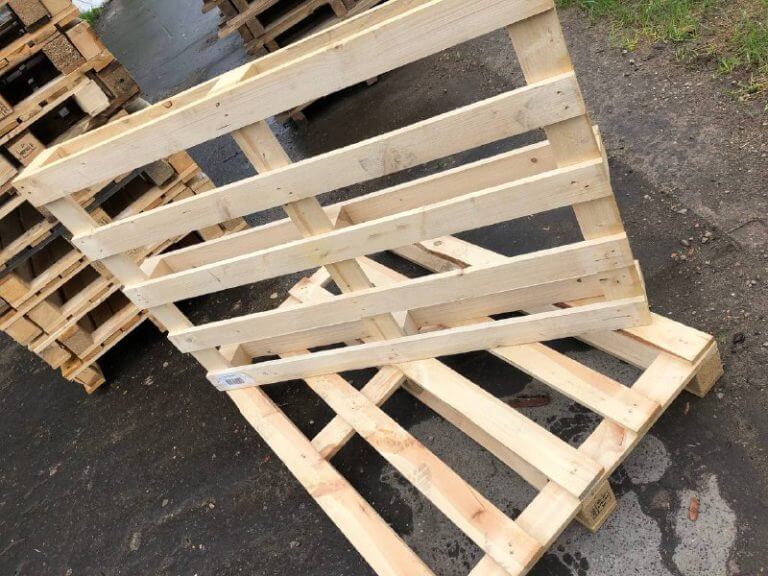
Exploring the Versatility and Sustainability of New Wooden Pallets
Wooden pallets have been a staple in logistics and supply chain management for decades. As industries develop, so too does the demand for innovative and sustainable products to fulfill the requirements of modern-day organizations. New wooden pallets are becoming a popular choice throughout numerous sectors, thanks to their numerous advantages, including sustainability, sturdiness, and adaptability. This blog site post will explore the features, applications, and benefits of new wooden pallets, while likewise attending to some frequently asked questions.
What Are New Wooden Pallets?
New wooden pallets are constructed from freshly sourced lumber, making them different from reclaimed or recycled wooden pallets. These pallets are usually made from softwoods like pine or fir, although hardwoods can also be used for specific applications. Their style is standardized, ensuring they fit effectively within supply chain operations while supplying robust assistance for products throughout transportation.
Features of New Wooden Pallets
| Function | Description |
|---|---|
| Product | Generally made from premium softwood or wood, ensuring strength and toughness. |
| Quality | New pallets are developed to fulfill market standards for load capacity and resilience. |
| Customization | Can be tailored in size, weight capability, and style based upon particular requirements. |
| Sustainability | Sourced from responsibly managed forests, promoting ecological sustainability. |
| Cost-Effectiveness | Usually more cost-effective than composite or metal alternatives when considering lifecycle. |
Advantages of Using New Wooden Pallets
1. Sustainability
New wooden pallets have a lesser environmental impact than plastic or metal pallets. The wood used often originates from sustainably managed forests, and wooden pallets are eco-friendly, making them an environmentally friendly option. Additionally, numerous makers utilize wood from trees that are grown particularly for pallet production, supporting sustainable forestry practices.
2. Sturdiness and Strength
These pallets can manage significant weight loads, making them ideal for transferring a range of products. New wooden pallets can generally support a weight variety of 1,500 to 3,000 pounds, depending on their size and design. This strength guarantees they can endure the rigors of transportation and storage.
3. Adaptability
New wooden pallets are extremely versatile and can be adapted for several usages. Here are some common applications:
- Transport: Ideal for shipping products across different markets, including food, pharmaceuticals, and manufacturing.
- Storage: Sturdy enough to stack and store products in storage facilities safely.
- Do it yourself Projects: They can be repurposed for furnishings, design, and garden tasks, taking advantage of the growing trend of sustainable living.
4. Cost-efficient
While the initial purchase cost of new wooden pallets may be greater than that of recycled pallets, the resilience and longevity of new pallets make them a cost-effective choice gradually. Less replacements lead to lower operational costs.
5. Relieve of Repair
Unlike plastic or metal pallets, wooden pallets can be fixed easily. If a plank breaks or a nail comes loose, it can be changed or fixed without requiring to change the whole pallet.
6. Visual Appeal
For companies that accept a rustic or natural aesthetic, new wooden pallets can boost the overall appearance of displays or products. agronytradingllc can function as attractive branding tools, highlighting a business's dedication to sustainability.
Secret Considerations When Choosing New Wooden Pallets
When choosing to integrate new wooden pallets into your operations, think about the list below elements:
- Load Requirements: Assess the weight and kind of items to determine the appropriate pallet size and design.
- Environmental Compliance: Ensure that the wood used is certified with regional guidelines relating to insect control and ecological effect.
- Supplier Reputation: Work with trusted providers to ensure you get high-quality items that satisfy market standards.
- Treatment and Safety: Check if the pallets have been heat-treated or chemically treated as required, especially for global shipping needs.
Often Asked Questions (FAQs)
1. Are new wooden pallets safe for food storage?
Yes, new wooden pallets that are particularly treated for food safety can be used for food storage. However, it is important to guarantee they are marked as food-safe and adhere to industry guidelines.
2. How can I inform if a wooden pallet is new or used?
New wooden pallets are normally complimentary of discolorations, indications of wear, and structural damage. They often have a smoother finish and might bring stamps showing compliance with safety requirements.
3. Can wooden pallets be personalized?
Definitely! Many providers offer personalization choices for size, design, and branding, allowing companies to customize pallets to their specific requirements.
4. Do new wooden pallets need any unique maintenance?
Wooden pallets are fairly low-maintenance, however inspections for indications of wear or damage are advised frequently. Keeping them dry and saved appropriately can extend their lifespan.
5. What is the average lifespan of a new wooden pallet?
The life expectancy of a new wooden pallet can vary substantially but generally varies from 5 to 10 years, depending on use, storage conditions, and care.
New wooden pallets are a trustworthy and sustainable option for industries looking to enhance their logistics and supply chain efficiency. With their flexibility, toughness, and environmental advantages, these pallets can supply services with cost-effective services for transporting and storing items. As consumers increasingly seek sustainable practices, choosing for new wooden pallets not just supports operational requirements but likewise shows a commitment to ecological duty. Whether in transportation, storage, or innovative tasks, new wooden pallets are an enduring option in a quickly altering world.